VR Content Trends in 2025: Immersion, Haptics and UX
BACK TO HOME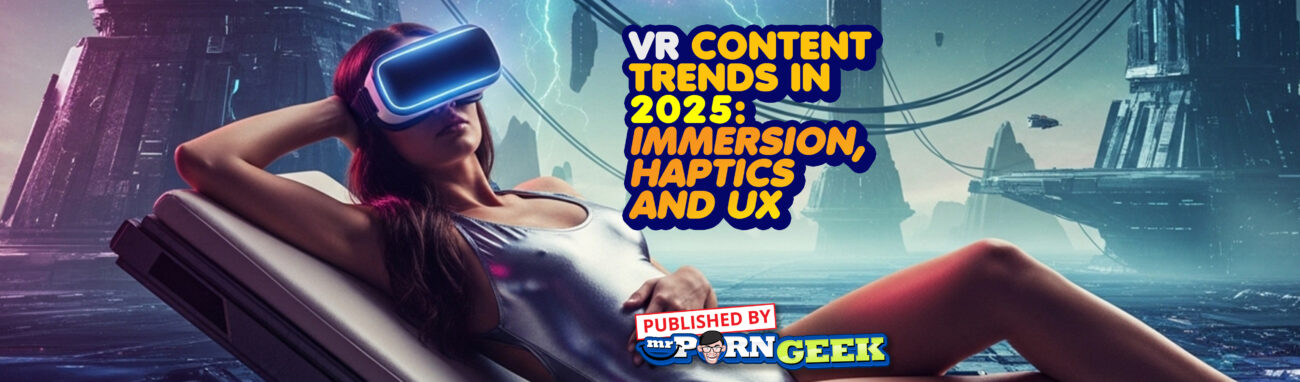
VR Content Trends in 2026: Immersion, Haptics and UX
Remember when VR was just a clunky headset that made you sweat like you’d run a marathon and gave you motion sickness after ten minutes? Yeah, those days are long gone. VR in 2026 is slick, sexy, and so immersive that half the time you forget you’re standing in your living room wearing a plastic helmet that makes you look like RoboCop’s weird cousin.
We’re talking about three main things running the VR show right now: immersion, haptics and user experience. Basically, it’s no longer about staring at shiny graphics. It’s about tricking your brain into thinking digital life is just as good — and sometimes better — than the boring meatspace we’re stuck in.
Immersion that slaps harder than reality
Immersion used to mean slightly sharper graphics and a headset that didn’t immediately crush your skull. Cute, but we’ve moved on. In 2026 immersion is a full-blown sensory takeover.
AI-powered environments now adapt to every stupid decision you make. Walk into a forest? It feels alive. Step into a classroom? The students actually look like they might bully you. It’s dynamic, it’s reactive, and it’s miles away from the old static VR playgrounds.
And don’t even get me started on spatial audio. Hearing footsteps creep up behind you in a game will have you spinning around in your chair like an idiot. Whispered voices, rustling leaves, even the sound of someone breathing next to you — it’s terrifyingly good. Honestly, half the time I rip off the headset just to make sure no one actually broke into my house.
Haptics are where things get freaky
Visuals and sound are cool, but the magic trick is touch. Haptics in 2026 are insane. We’ve got gloves, vests, suits — even pants if you’re brave enough — all designed to make you feel stuff that isn’t there.
Grab a sword in VR and you can feel the hilt. Push against a wall and it pushes back. In rehab and wellness, you can meditate with pressure feedback or practice physio exercises that correct you in real time. Science fiction? Nah, this is Tuesday now.
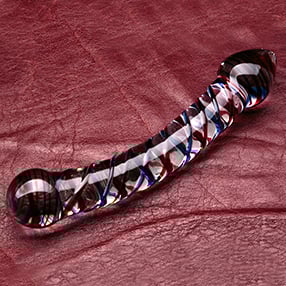
And yeah, porn has been pushing this harder than anyone else. Strap on a haptic toy and suddenly you’re not just VR porn streaming, you’re basically co-starring. It’s personalized, it’s interactive, and it makes the days of sneaking 240p videos on Limewire feel like the Stone Age.
UX that doesn’t make you rage quit
Here’s the thing — nobody cares about 8K visuals if the headset feels like you’re wearing a microwave on your face. 2026 VR finally nails user experience.
Headsets are lighter, sleeker and don’t make your forehead look like it lost a fight with a brick. You don’t even need controllers anymore. Hand tracking, eye tracking and voice commands mean you can just move and talk naturally. The barrier to entry is gone — now even your grandma could log in and slap you in Beat Saber.
Customization is everywhere too. Avatars actually look human, comfort settings mean you can play for hours, and accessibility options make VR less of an exclusive nerd club. Add in social spaces where you can party, work, or just hang out with people across the world — all while your avatar copies your real facial expressions — and suddenly VR feels like a proper community.
It’s not just about porn and games (but also it is)
Sure, gaming and porn are eating up all the headlines — but VR’s tentacles are wrapped around every industry.
Doctors are practicing surgery without accidentally killing anyone. Students are literally walking through history lessons instead of falling asleep in class. Dangerous jobs are training workers without risking explosions. Fitness apps let you work out in VR with haptics that make your muscles burn for real.
Basically, VR is becoming essential. You’ll probably use it daily without even realizing.
Wrapping it up before I go plug in my headset
Here’s the bottom line. VR in 2026 is immersive enough to trick your brain, touchable enough to make you question reality, and smooth enough to use without rage-quitting. Whether you’re learning, working, or just having some late-night fun with a haptic toy, VR is no longer a simulation. It’s an extension of real life. And honestly, some days it’s better than real life.